Get the latest data on obesity in Texas.
Obesity in Texas
Having overweight and/or obesity challenges increases a person’s risk of serious medical conditions.
Obesity can cause a person to be more susceptible to:
- Heart disease
- Stroke
- High blood pressure
- Type 2 diabetes
- Certain cancers
These types of diseases may impact a person's quality of life and have large economic consequences for our healthcare system.
The rise in the number of children and adults who have overweight and obesity issues is a serious concern for Texas. The Obesity Prevention Program works with state and local partners to combat obesity. The overall goal is to create long-term change in our social and economic environments that address the obesity epidemic.
Obesity Prevention Priority Strategies
The Obesity Prevention Priority (OPP) Strategies report (en ingles) discusses the rising overweight and obesity rates among Texans. The report outlines evidence-based strategies for reducing obesity in Texas. These strategies are the first steps to developing a more collaborative approach to prevent obesity in Texas.
Nutrition
The Obesity Prevention Program helps Texans make nutritious, healthy food choices. Healthy food choices depend on access to affordable, nutritious foods.
Good nutrition is part of maintaining a healthy weight. Being at a healthy weight reduces the risk of chronic diseases.
These healthy habits lower your risks of obesity and chronic disease:
- Eating more fruits and vegetables
- Drinking plenty of water
- Consuming appropriate amounts of food and drink
- Decreasing consumption of added sugars and high-calorie, low-nutrient foods
Physical Activity
 |
 |
 |
 |
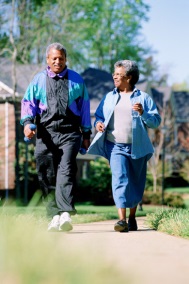
The Obesity Prevention Program works to make physical activity more accessible for Texans. Despite all the known benefits, many Texans do not get enough daily physical activity.
Many environmental changes contribute to less physical activity. For example, physical education taught in schools less often is a factor. Also, urban sprawl can make accessibility to physical activities more difficult.
View more benefits of physical activity and to review the current recommendations.
Growing Community Video Series
The Growing Community video series is a communications tool to educate and inspire communities into action to address obesity in Texas.
The series consists of six obesity prevention topic areas that correspond with the six evidence-based target areas which combat obesity in communities and organizations. The videos can be shown as a screening at meetings to get people talking about what actions to take.
- Video Screening Strategy (PDF, 4.6 MB)
- Discussion Guide (PDF 4.5 MB)
- Media Talking Points (PDF 4.3 MB)
Videos:
- Series Overview
- Increasing Physical Activity (En Español: Incrementando la actividad física)
- Increasing Breastfeeding (En Español: Incrementando la alimentación con leche materna)
- Increasing Fruits and Vegetables (En Español: Incrementando el consumo de frutas y verduras)
- Decreasing Sugar-Sweetened Beverages (En Español: Reduciendo el consumo de bebidas endulzadas con azúcar)
- Decreasing High-Energy-Dense-Foods (En Español: Reduciendo el consumo de alimentos altos en calorías)
- Decreasing Television Viewing (En Español: Reduciendo el mirar televisión)
What We Do

Collect & Report Data

Education & Training
Popular Resources
Showing 1 - 3 of 5
Healthy Food Environments
Visit CDC's website to learn more about the many strategies that can contribute to healthy food environments.
OLE! Texas
Outdoor Learning Environment (OLE!) Texas promotes healthful, nature-based outdoor spaces at early childcare and education (ECE) programs.